
Arknights: Endfield
GRYPHLINERole Playing
4.62.46K Reviews
- Version
- 1.4.3
- Installs
- 5.00M
- Age Rating
- Teen
Screenshots
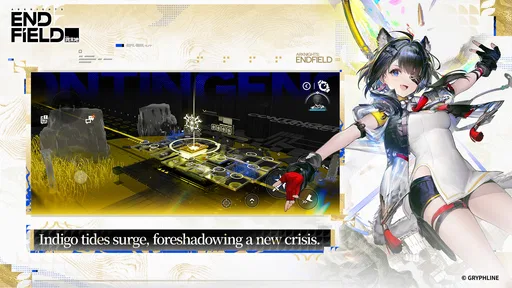
Our Review of Arknights: Endfield
 Analysis by Appyee
I like role-playing games that make me think while things are happening, rather than asking me to watch a battle unfold after choosing a few options. Arknights: Endfield aims for that more active kind of strategy: I make decisions around a squad, respond to enemies in real time, and then have to decide what to do with the results. Its appeal is less about a single clever move than about learning how a team and its abilities work together.
It is a free game from GRYPHLINE, and the store credits HYPERGRYPH as its developer. The role-playing focus sits alongside real-time tactical play, so this is a better fit for someone who enjoys planning and adjusting than for someone looking only for a quick, hands-off idle game. I would approach it as a game to learn over repeated sessions, not as a simple distraction that explains every system at once.
What I would look for in the first session
The first useful question is not whether every screen looks impressive; it is whether the basic decisions feel readable. In a real-time strategy RPG, I want to see why a fight is going well or badly, and whether changing my timing or squad choices makes a noticeable difference. That feedback is what gives a player a reason to try again instead of treating combat as a button-pressing exercise.
The original Arknights is known for a different tactical rhythm, so returning players should not assume this plays exactly like a tower-defense session. Here, the action is presented as real-time squad combat, with Operators and their abilities shaping how I respond. That shift is important: if you mainly enjoy carefully arranging a defensive layout and then watching a set-piece play out, the more active decisions here may take some adjustment.
I also would not judge the game by how quickly I can collect a large roster. A more useful early habit is to pay attention to what each available Operator contributes and how those contributions complement one another. When a battle becomes difficult, the answer may be a better-timed skill or a more deliberate team choice, not simply pushing ahead and hoping a stronger character solves everything.
How its action-and-reward loop feels
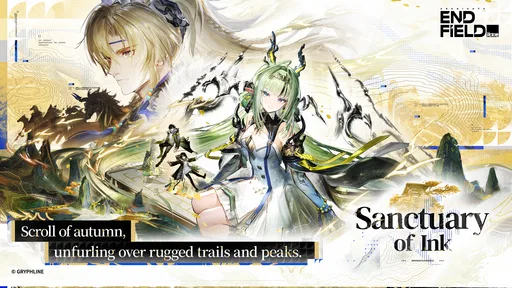
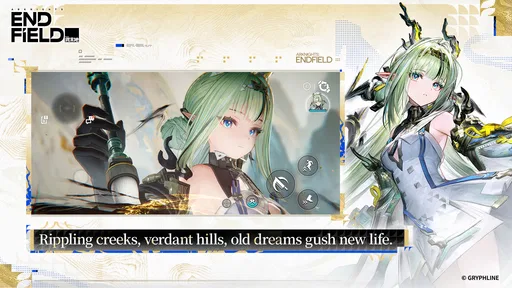
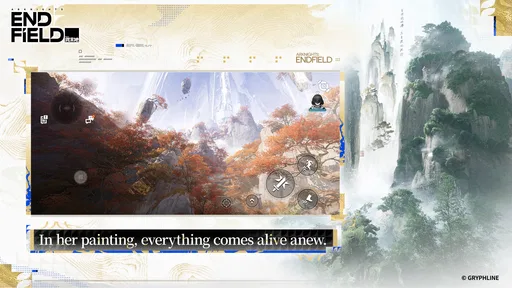
When I first booted up Arknights: Endfield, I was immediately struck by the stunning visuals. The art style is just captivating, with a perfect blend of futuristic and dystopian vibes. It almost feels like you're stepping into a beautifully crafted anime world. The attention to detail in the character designs and environments is top-notch, and it definitely sets the stage for an immersive experience.
Combat rewards attention, not just aggression
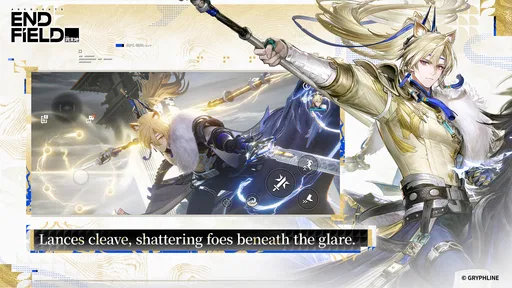
Alright, let's talk gameplay. If you've played the original Arknights, you'll notice some familiar elements, but Endfield brings its own unique twists. It's essentially a real-time strategy game that challenges your tactical prowess. You're tasked with managing your squad of Operators to fend off waves of enemies, and trust me, the stakes get high!
The game incorporates a blend of tower defense and RPG elements, which keeps things fresh and engaging. You'll need to strategically place your Operators, knowing when to unleash their special skills to turn the tide of battle. And yes, there's a bit of resource management thrown in to keep you on your toes. It's all about finding that perfect balance between offense and defense.
For me, the practical lesson is to watch the encounter before spending every ability as soon as it becomes available. Holding a skill for the moment when enemies put pressure on the squad can be more valuable than using it just because I can. After a rough attempt, I would change one decision at a time—such as when I use a skill or how I approach a threat—so I can tell whether the adjustment helped. That makes a retry feel like learning rather than repetition.
This is also where the game’s real-time nature can be a trade-off. I enjoy having to stay attentive, but it is less suited to a moment when I want to play with half my attention on something else. If I only have a short break and expect to be interrupted, I would rather choose a game built around very brief, low-pressure actions. Here, even a small tactical decision can matter, and I get more from a session when I can follow the fight from start to finish.
Story and Operators give the battles context
The storyline is another highlight. Set in a post-apocalyptic world, you play as the commander of a group of elite Operators. Your mission? To uncover the mysteries of this desolate land and fight against an unknown threat. The narrative is gripping and keeps you invested in the fate of your characters.
Speaking of characters, Endfield boasts a diverse roster of Operators, each with their own backstory and unique abilities. As you progress, you'll find yourself forming attachments to these characters, which adds a nice emotional layer to the gameplay. Plus, the voice acting is on point and really brings the characters to life.
The narrative works best for me when I let the characters and setting add meaning to the next objective, rather than treating story scenes as a barrier between fights. If I have time to settle in, I can take in the atmosphere and follow the stakes; if I am only squeezing in a quick session, I may focus more on a manageable objective and return to the story when I can give it attention. That distinction matters for players who prefer either uninterrupted plot-heavy play or immediate action with minimal pauses.
A useful way to judge the roster is to ask whether I like experimenting with roles, not whether I can collect every Operator. I would start by learning a small group well, then consider how a new character changes my options. That makes choices more meaningful and avoids turning progression into a checklist. It is a particularly good approach for someone arriving from a conventional action RPG, where one main character often carries most of the combat identity.
Progress, purchases, and sensible expectations
Now, let's address the elephant in the room: in-game purchases. Like many mobile games, Endfield offers various purchase options to enhance your experience. While you can enjoy the game without spending a dime, the temptation to snag some of those cool Operator skins is real.
The progression system is well-paced, and I appreciate that you don't feel forced to pay to advance. Grinding and strategizing will get you far, and there's a certain satisfaction in earning your way through the challenges.
The game is free to download, with optional in-app purchases ranging from $0.99 to $69.99 per item. I would set a spending boundary before browsing any offers, especially if cosmetic items appeal to me; seeing a purchase prompt during an enjoyable session can make an impulse buy feel more reasonable than it did beforehand. A free entry point is useful, but it does not mean every optional purchase is necessary or automatically good value for a particular player.
For progression, I would make the most of the ordinary play loop before deciding that a purchase is the answer to a difficult stage. Revisit what the encounter is asking me to do, check whether my squad choices fit that demand, and try a different approach before spending. That is a more satisfying route for players who like tactics, and it helps separate a genuine preference for convenience or cosmetics from frustration after a failed attempt.
The game is rated Teen, has a 4.2 average from around 42,000 ratings, and has passed one million installs. Those figures suggest a sizeable audience, but they do not tell me whether its particular mix of action and planning will suit you. Its current version is 1.0.13, and it supports Android 7.0 and later. If you are deciding whether to install it, the more useful question is whether you want an ongoing tactical RPG experience rather than a short, self-contained game.
Where it fits among mobile RPGs
Compared with a standard turn-based RPG, this asks me to respond while the encounter is unfolding instead of taking as long as I like between each action. Compared with a traditional tower-defense game, its character-driven role-playing and active squad management make the experience feel less like arranging a fixed board and more like directing a team. That middle ground is the main reason I would recommend it to someone who wants both tactical thinking and more immediate involvement.
There is a clear exception: if I want a relaxed game I can leave running while I do something else, this is not the first option I would reach for. Likewise, someone who prefers a compact story that ends cleanly may be happier with a more linear RPG than a game built around continued progression and repeated play. Its best audience is the player who enjoys learning a combat system over time, notices how character abilities fit together, and is happy to revisit a challenge with a different plan.
A realistic use case is an evening session after work or school. I might play one objective, take a moment to consider what went wrong if I struggled, then return later with a clearer idea of which ability or squad decision to change. That is more rewarding than trying to race through several encounters while distracted. On a busy commute or during a short wait, I would only start if I had enough uninterrupted time to pay attention to the battle; otherwise, stopping midway can make the session feel less satisfying.
When another game is the better choice
If you mainly want the familiar placement-first feel of classic tower defense, a dedicated title in that style will likely deliver a cleaner version of that specific pleasure. If you want a hands-off collection game, look for something designed around short check-ins rather than real-time decisions. And if story is your only priority, a narrative RPG with less tactical pressure may let you move through scenes at your own pace. These are not flaws so much as useful boundaries: the appeal here depends on wanting combat to ask for your attention.
For players who do stay, a modest routine can make the experience easier to manage. I would choose one goal for a session—understand a difficult encounter, learn an Operator’s role, or make progress through the story—rather than trying to optimize everything at once. If a stage is frustrating, I would stop after a couple of thoughtful attempts and return with a fresh plan instead of repeating the same approach. That keeps the challenge from turning into needless grind and makes each retry produce information.
Final thoughts on the loop
So, is Arknights: Endfield worth your time? Absolutely! Whether you're a fan of strategy games or new to the genre, this game offers a delightful mix of tactical gameplay, a compelling story, and gorgeous visuals. Sure, there are in-game purchases, but they're not intrusive enough to detract from the experience.
Overall, I'd say give Endfield a shot. It's one of those games that you can easily sink hours into without even realizing it. Just make sure you have some free time on your hands because once you start, it's hard to put down!
My more measured recommendation is to try it because the combat-and-character combination is distinctive, not because every part will suit every RPG fan. The loop works when an action produces clear feedback, that feedback helps me earn progress or understand a setback, and the next session begins with a new tactical question. If that cycle sounds appealing, the game has a strong reason to stay installed. If you would rather avoid real-time pressure, repeated progression, or optional spending prompts altogether, choosing a quieter or more linear alternative is a perfectly sensible call.
Verdict
Strengths of Arknights: Endfield
- Engaging strategy gameplay
- Stunning graphics and design
- Rich character development
- Regular updates and events
- Cross-platform support
Limitations of Arknights: Endfield
- Steep learning curve
- In-app purchases can be pricey
- Requires constant internet
- Battery-intensive on mobile
- Limited offline features
Similar Picks in This Category
View All
Hair Dye
CrazyLabs LTD4.4

Monster High™ Beauty Salon
CrazyLabs LTD4.5

Bus Simulator - Bus Games 3D
Jima Apps4.4

Flight Pilot: 3D Simulator
Wildlife Studios4.1


Super Stylist Fashion Makeover
CrazyLabs LTD4.4
Frequently Asked Questions
What is Arknights: Endfield about?
Arknights: Endfield is a strategic role-playing game set in a dystopian world. Players manage a team of operators to combat threats using tactical planning. The game combines stunning visuals with complex narratives, providing a rich experience that draws players into its immersive universe. It's available for both Android and iOS platforms.
What are the key features of Arknights: Endfield?
The game features a unique blend of strategy and RPG elements, offering real-time combat, a diverse roster of characters, and intricate storylines. Players can engage in tower defense mechanics, customize operators, and explore beautifully designed environments. The art style and soundtrack add to the overall captivating experience.
Is Arknights: Endfield free to play?
Yes, Arknights: Endfield is free to download and play. However, it includes in-app purchases that allow players to buy in-game currency, characters, and items to enhance gameplay. While spending is optional, some players might find these purchases useful for progression and customization.
What kind of in-game purchases are available?
In Arknights: Endfield, players can purchase in-game currency, special items, and character packs. These purchases can help accelerate progress or unlock exclusive content. The game is designed to be enjoyable without spending money, but these options exist for those who want to enhance their experience further.
Can I play Arknights: Endfield offline?
No, Arknights: Endfield requires an internet connection to play. The game relies on server-based features such as updates, leaderboards, and events that require connectivity. Players need a stable internet connection to ensure smooth gameplay and access to all online features and content.
Play our best games!


